
Imagine going to your job every day, performing your typical tasks, and suddenly not being paid. This is the reality faced by Transportation Security Administration (TSA) officers as of February 14, 2026, following a partial government shutdown. The reality of a government shutdown is not one that solely affects Americans in the political world, but one that affects Americans in the unlikeliest of places – like the security check at the airport.
During a shutdown, the majority of the employees in the federal government are placed on what is known as a furlough, or a temporary, usually unpaid, leave of absence. However, TSA employees are considered essential workers and therefore have to continue performing their duties without pay. In past situations, TSA employees have gone over a month without receiving their paychecks. This creates a situation that is not only stressful but also unsustainable. Some officers struggle to pay bills or support their families, while still being responsible for keeping air travel safe. Although they continue to work, the lack of pay can lead to lower morale or even workers leaving their positions.
These behind-the-scenes problems quickly become visible to the public. Because there are fewer officers to work the frontlines, airport security lines have grown longer and move more slowly. Absentee rates during the current shutdown have reached record levels, hitting a peak of around 12.4% on March 27, 2026 – nearly six times above normal levels. This sudden increase shows how unsustainable it is for workers to continue showing up without pay.
As security lines began to slow down significantly, travelers have reported long wait times, and airports have advised passengers to arrive two to three hours early for flights. In some cases, security lanes have been shut down completely, which can make an even longer wait and confuse many. What started as a political disagreement in Washington has quickly turned into a real inconvenience with missed flights, crowded terminals, and hours spent waiting in line.
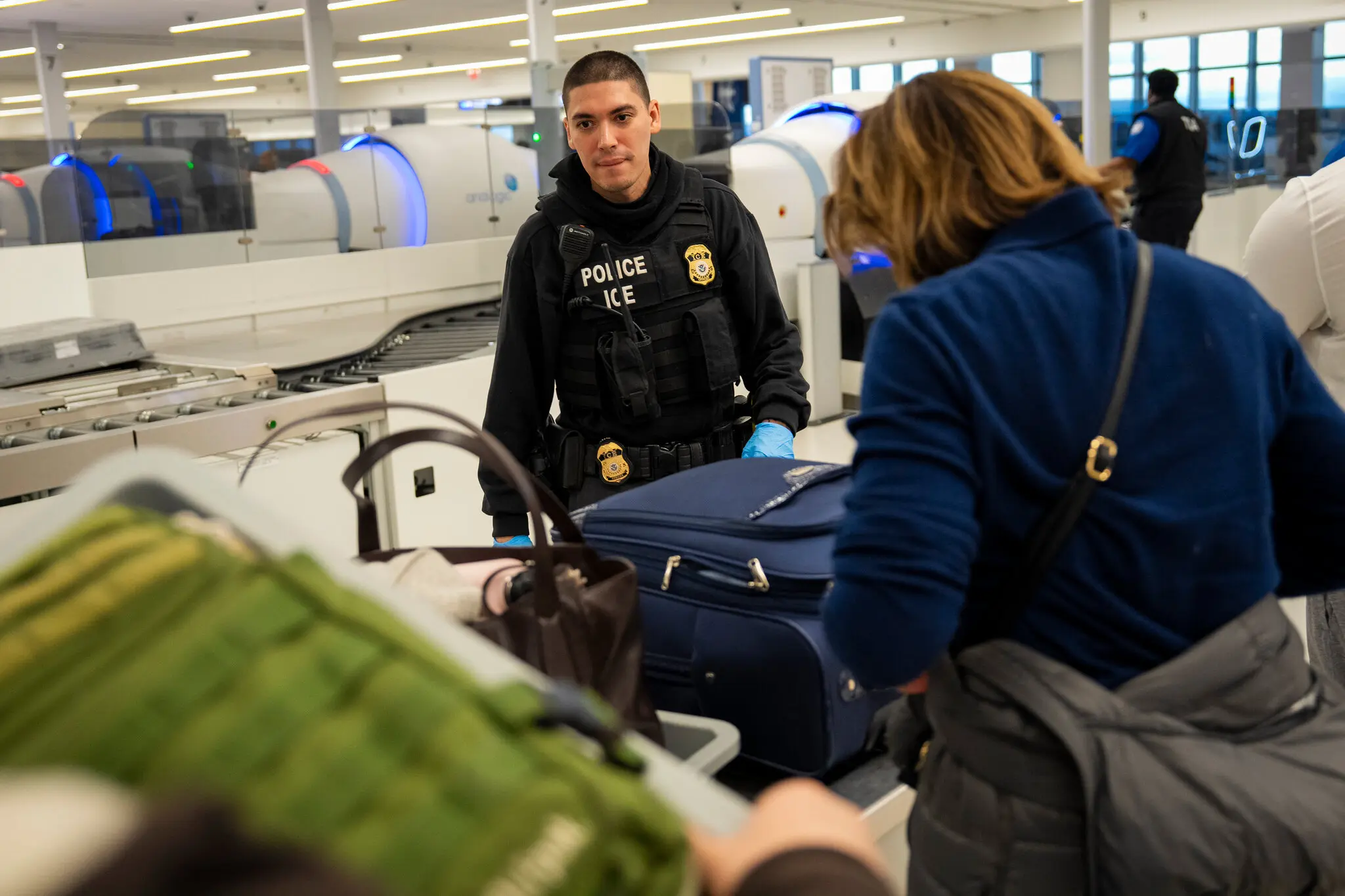
In response to the situation, the government has made an effort to try to stabilize TSA. Steps are being taken to aid the situation, and President Donald Trump signed a directive on March 27th to ensure TSA workers will receive pay regardless of the ongoing shutdown. In addition, backup plans have been introduced, including deploying ICE agents to over a dozen airports to assist with crowd control. However, these efforts do not fully solve the problem, as workers are still dealing with the uncertainty of the delayed pay.
For students at Taft, this situation is especially relevant because many of us rely on air travel to return home or come to school during breaks. The government shutdown has made travel a stressful experience for these students, forcing them to plan out and arrive earlier or risk a late trip. Ultimately, a government shutdown is not just a political issue, but has direct consequences in everyday life. Next time you are stuck in a long airport security line, it’s probably not just bad luck, but the result of decisions made beyond the airport.
Photo courtesy of The New York Times